
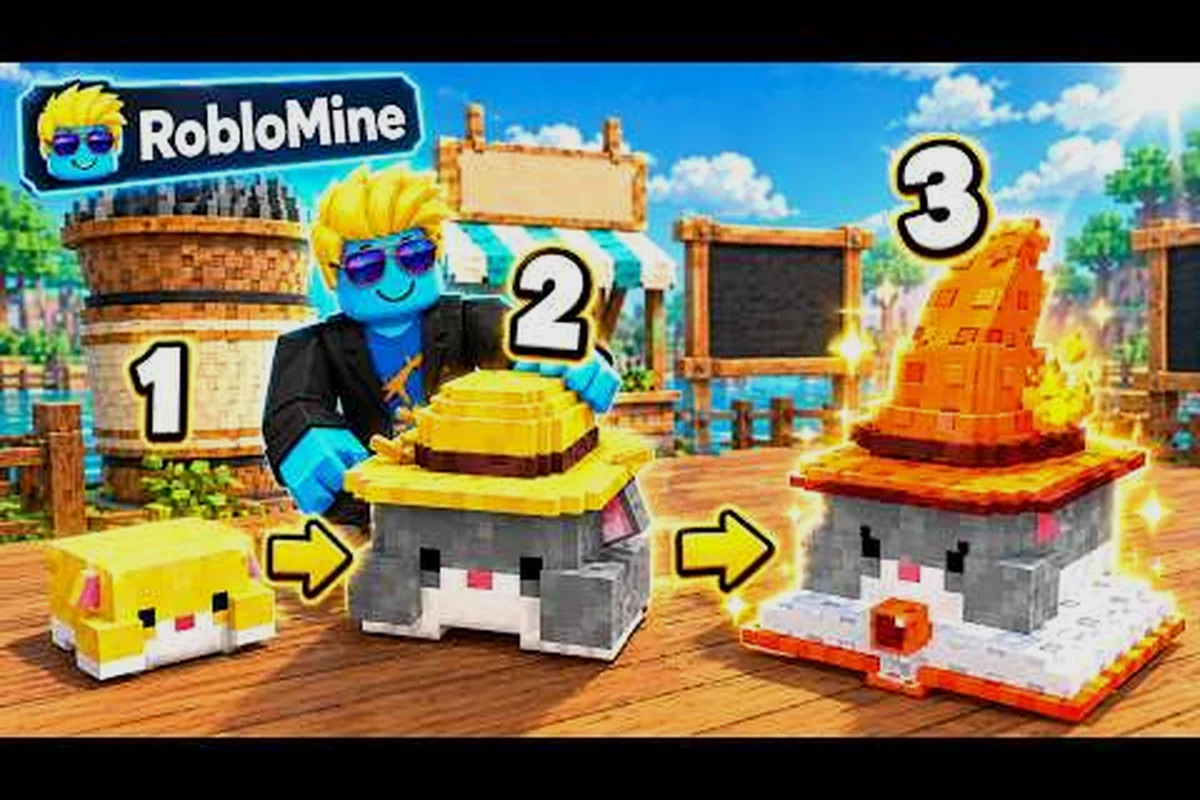
Hamster Village throws new players straight into a loop that looks simple on the surface but hides several layered systems underneath. This hamster village FAQ answers the questions that almost every new player hits within their first hour, covering seed economy, merge timing, tycoon flow, and the small details that quietly decide how fast you progress. If you have ever wondered why your seeds are stalling, when to merge, or what the developer means by "Shutdown = Update," the answers below are built from the official play loop and community-reported numbers as of late September 2026.
Getting Started in Hamster Village Explained
The official play loop is short by design: buy a hamster, let it drop Seeds over time, collect those Seeds and deposit them for Money, then spend Money on more hamsters or on merges that push pairs of matching hamsters into a single higher-tier hamster. That single sentence is the entire hamster village introduction most new players need, but each phrase carries weight. "Dropping Seeds" means your hamster physically produces Seeds on a timer; "collecting" means walking over to them; "depositing" means handing the Seeds to the tycoon bank for Money. The Money engine only turns over if you actually deposit, so a player who collects Seeds but never deposits is effectively paused.
The Five-Minute Setup
New players should start by buying the cheapest hamster in the shop, then spending the first five minutes doing three things in order: collecting every Seed that drops, depositing those Seeds immediately, and re-buying a second hamster as soon as Money allows. According to the official Hamster Village game page, higher-tier hamsters drop Seeds noticeably faster, so the goal of the first five minutes is to reach the second hamster tier as cheaply as possible. The cheapest hamster in the shop is always the floor of the entire economy, and skipping that floor by trying to save up for a fancy hamster early just slows the seed engine.
| Step | Action | Why it matters |
|---|---|---|
| 1 | Buy cheapest hamster in shop | Establishes the first seed source |
| 2 | Collect Seeds as they drop | Seeds are wasted if left on the ground too long |
| 3 | Deposit Seeds for Money | Without deposits, the Money engine stalls |
| 4 | Re-buy a second hamster | Doubles seed output and starts merge options |
| 5 | Repeat until tier 2 is unlocked | Tier 2 hamsters drop Seeds noticeably faster |
What "Hamster Village Basics" Actually Means
The phrase hamster village basics usually refers to the three resources you will track for the entire run: Seeds, Money, and Hamster Tiers. Seeds are produced by hamsters, Money is produced by deposited Seeds, and Hamster Tiers are produced by spending Money. Every other system in the game sits on top of these three, which is why new players who understand this triangle almost never get stuck. If your Seeds are stalling, you need more hamsters or higher tiers. If your Money is stalling, you are not depositing often enough. If your tiers are stalling, you are not merging matching pairs.
How Seeds, Money, and Merging Connect
A hamster village introduction that skips the seed-to-money relationship leaves players wondering why their progress feels slow. The relationship is linear on paper but feels exponential in practice because each hamster tier roughly multiplies seed output. According to the verified developer group's play loop description, higher-tier hamsters drop Seeds noticeably faster, and unlocking new tiers expands the collection roster, which means more hamster types to buy and merge. The first hour of the game is therefore about reaching the first tier-up, not about hoarding.
Seed Drop Rate vs Deposit Frequency
Two players with the exact same hamster roster can progress at very different speeds if their deposit frequency differs. A player who deposits every time Seeds appear will compound Money faster because the bank keeps turning Seeds into buying power, while a player who collects Seeds into a pile and deposits later pays an opportunity cost: those Seeds could have already been Money feeding a second hamster. Community data reported by early players suggests that frequent small deposits outperform rare large ones, especially before tier 3 is unlocked. Once you reach tier 3, the volume of Seeds on the ground rises fast enough that the choice matters less, but the habit of depositing early is worth keeping.
| Habit | Effect on progression | Best for |
|---|---|---|
| Deposit after every collect run | Fastest Money turnover, slight attention cost | First hour of play |
| Deposit every 2-3 collects | Balanced attention and Money flow | Mid-game when Seeds accumulate |
| Hoard Seeds and deposit in bulk | Lowest Money turnover, highest single-deposit value | Late game when Seeds flood the ground |
When Merging Actually Matters
The most common beginner question inside this hamster village FAQ is when to merge, and the answer is: as soon as you have two matching hamsters and the Money to afford the next tier's hamster slot. Holding matching pairs "for later" does nothing because the merge is the only way to advance the roster. If you are new and want a deeper walkthrough of the merge chain, the hamster village merge guide breaks down the mechanics in full, but the short version is that two tier-1 hamsters merge into a single tier-2 hamster that drops Seeds noticeably faster, and the new tier-2 slot frees up the original two slots for new pairings.
A practical rule is to merge immediately when the next tier is unlocked by the shop and you can afford it, because the seed-rate increase compounds across every hamster you own. A player who waits even ten extra minutes before their first merge loses more Seeds than they gain by holding, since two tier-1 hamsters sitting as a merge pair produce less than a single tier-2 hamster would have.
Tycoon Progression and the Shutdown-Equals-Update Rule
Hamster Village does not run traditional seasonal updates or roadmap patches. The developer uses server shutdowns as update windows, which the community has nicknamed "Shutdown = Update." This is one of the most surprising things inside the hamster village explained material because it changes how players should react to downtime. If the server suddenly boots you back to the lobby, an update is the most likely reason, and re-joining loads the new build. According to the official Dojo Empire developer group, this update cadence is intentional, so progression lost during a shutdown is rare, but any in-flight Seeds on the ground will be gone.
The Progression Curve
The tycoon progression curve is roughly: tier 1 in the first 5-10 minutes, tier 2 within the next 15 minutes, tier 3 within the first hour if deposits are kept tight, and tier 4+ in the second or third session. These numbers come from community reports, not from the developer, and they assume a player who deposits frequently and merges as soon as possible. Players who try to skip ahead by saving for a high-tier hamster usually take two to three times longer to reach the same tier, because the early economy is too thin to support that strategy. The official play loop explicitly steers new players toward "buy cheap, merge fast, deposit often," and the curve above is what that loop produces in practice.
| Progression stage | Approximate time to reach | Main bottleneck |
|---|---|---|
| Tier 1 starter | 0-2 minutes | None — buy the cheapest hamster |
| First merge to tier 2 | 5-15 minutes | Saving Money for the second hamster |
| First tier 3 hamster | 30-60 minutes | Seed volume from two tier-2 hamsters |
| Stable tier 3-4 roster | Session 2-3 | Merge pairs to clear hamster slots |
Why There Are No Codes or VIP Servers
A frequent hamster village FAQ question is whether there are redeem codes or VIP servers, and the answer to both is no. The developer has not built a code redemption system into the game, and VIP or private servers are disabled, which means progression is entirely driven by Seeds, Money, and the merge chain. There is no shortcut currency, no boost item, and no private lobby for grinding. This is a design choice rather than a missing feature, and it is what keeps the leaderboard and visit count (about 2.27 million visits and roughly 6.1K peak online players as of late September 2026, per the developer group page) reflecting pure in-game skill rather than spending.
Common Beginner Mistakes and Quick Fixes
Even with a clear hamster village introduction, new players repeat the same handful of mistakes. The good news is that each one has a quick fix, and once you internalize them, the rest of the game opens up. The mistakes below are drawn from community-reported pain points, not from official warnings, because the developer keeps the in-game guidance intentionally minimal.
Mistake 1: Hoarding Seeds on the Ground
The most common mistake is letting Seeds pile up around a hamster without picking them up. Seeds on the ground do not earn interest and they do not count toward any progress bar, so every Seed left on the ground for over a minute is a Seed that could already be Money. Pickup range is generous, so a slow walk through the hamster area clears most piles, and depositing immediately after a sweep keeps the bank full. If you want a full breakdown of seed collection, the hamster village seed guide covers drop rates and pickup patterns in detail.
Mistake 2: Skipping the Cheapest Hamster
Trying to start with a mid-tier hamster because it "looks better" is the second most common mistake. The cheapest hamster is not a punishment, it is the foundation of the seed engine, and skipping it leaves the entire first ten minutes running on one hamster instead of two. Players who start cheap reach the second hamster slot in roughly the same time it takes a mid-tier starter to afford the slot anyway, so the cheap start is strictly faster.
Mistake 3: Forgetting to Merge
A surprising number of new players buy a second hamster and a third hamster without ever merging the matching pair they already own. The merge slot is the only way to advance the tier, so two matching tier-1 hamsters sitting unmerged are worth less than a single tier-2 hamster would be. Make merging a reflex: any time you see two matching hamsters, merge them on the spot if the shop sells the next tier.
| Mistake | Cost in lost progress | Quick fix |
|---|---|---|
| Hoarding Seeds | Slows Money engine | Sweep and deposit every 60-90 seconds |
| Skipping cheap hamster | Delays second hamster slot | Always start with the cheapest buy |
| Forgetting to merge | Locks the roster at tier 1 | Merge matching pairs immediately |
| Saving for high-tier buy | Stalls the seed engine | Reinvest Money into more hamsters first |
Hamster Village Introduction to Advanced Play
Once the basics are solid, hamster village basics expand into a more deliberate style of play focused on roster management, optimal merge order, and reading the seed economy. Advanced play is not about spending more time, it is about spending time more deliberately, and the same three-resource triangle still rules everything.
Roster Management and Slot Pressure
Every hamster you own takes up a slot, and slots are limited. When the roster is full, you cannot buy new hamsters, which stalls the seed engine, which stalls Money, which stalls merging. The fix is to merge as soon as two matching hamsters appear, because a merge frees a slot by collapsing two hamsters into one. Players who hold matching pairs "for the perfect moment" usually find themselves slot-locked within twenty minutes and have to sell hamsters at a loss just to keep playing. If you want a ranking of which hamsters are worth keeping versus selling, the hamster village tier list guide ranks the underrated picks and explains why some lower-tier hamsters punch above their weight.
Reading the Seed Economy
A healthy seed economy looks like a steady rain of Seeds on the ground, a constant stream of deposits, and a Money counter that rises in small but visible jumps. An unhealthy seed economy looks like long dry spells between drops, a Money counter that barely moves, and a hamster roster that has not changed in ten minutes. Reading these signals is what separates a new player from a returning one, and it is what the hamster village explained material usually misses: the numbers on screen are feedback, not decoration. When the numbers stall, change behavior. When they surge, lean in.
| Signal | What it means | Action |
|---|---|---|
| Money rising steadily | Deposit cadence is healthy | Keep current rhythm |
| Money flat for 2+ minutes | Seeds not being deposited | Sweep and deposit now |
| Seeds flooding the ground | Too many drops, not enough deposits | Increase pickup frequency |
| Slots full, no merges available | Roster pressure | Merge any matching pair on sight |
Frequently Asked Questions
What is the fastest way to progress in Hamster Village?
Buy the cheapest hamster, collect and deposit Seeds immediately, then buy a second hamster as soon as Money allows. Merge matching pairs the moment a new tier is unlocked, and repeat the deposit-spend loop without hoarding. The hamster village basics loop rewards deposit frequency, not patience, and the first hour should be all about reaching tier 3.
Are there any codes I can redeem in Hamster Village?
No. Hamster Village does not have a code redemption system, and VIP or private servers are disabled. All progression comes from Seeds, Money, and the merge chain inside the official play loop described on the developer group's Roblox page. Any website claiming to have working Hamster Village codes is not affiliated with the game.
Why did the server shut me out without warning?
The developer uses server shutdowns as update windows, so a sudden kick back to the lobby almost always means a patch went live. Re-joining loads the new build, and any Seeds left on the ground during the shutdown are gone, but Money and hamster roster state are preserved. This is the "Shutdown = Update" cadence that the official group describes, and it is the main way the game ships changes.
When should I merge my first pair of hamsters?
Merge as soon as you own two matching hamsters and the shop sells the next tier. Holding a matching pair "for later" does nothing because the seed rate of a tier-2 hamster is higher than the combined seed rate of two tier-1 hamsters. A deeper walkthrough of the merge chain is in the hamster village beginner guide, which covers merge order and slot management.
How do I know which hamster is worth keeping?
Keep hamsters that match pairs you can merge soon, and sell hamsters that do not match anything in the current roster. The underrated picks are the ones that drop Seeds faster than their tier suggests, and the hamster village for beginners guide lists the best starter roster for a fresh save. As of late September 2026, community testing puts a few mid-tier hamsters above several higher-tier ones in pure seed output, so a tier list is worth checking before committing.