
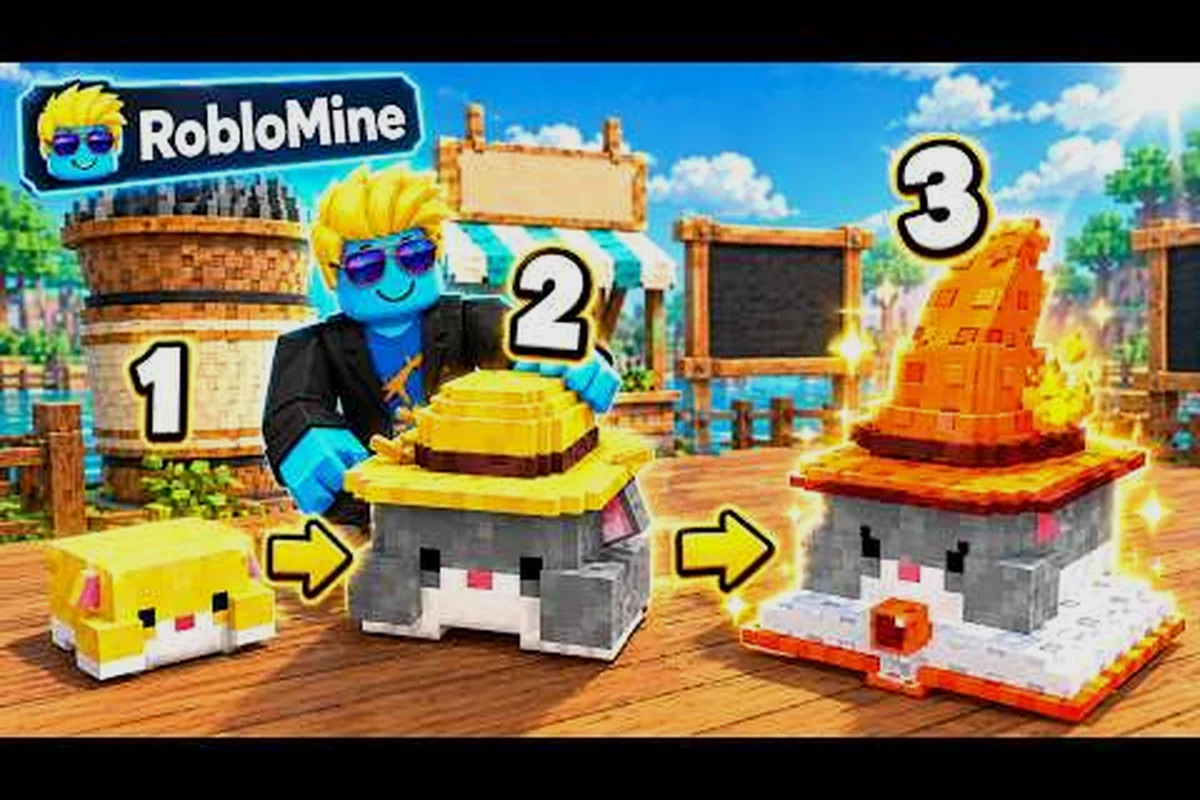
Hamster Village drops new players into a deceptively simple loop: buy a hamster, watch it drip Seeds, deposit those seeds for Money, then funnel the money back into bigger hamsters and merge chains. That loop is the entire spine of the game, and every late-game decision traces back to how cleanly you run it in the first hour. This hamster village complete guide breaks the loop into its actual math, lays out the upgrade order that experienced players follow, and gives a kid-friendly reading track so younger tycoons can follow along without getting lost in the numbers.
The Core Loop and the Merge Math Behind It
Every hamster in your village drops Seeds on a timer, and the seed rate scales with the hamster's tier. Deposit seeds into the central Money Pad and the seed value converts into spendable cash, which is the only currency the shop accepts. The faster you deposit, the faster you can buy the next hamster, which is where the merge chain enters the picture. When two hamsters of the same tier sit next to each other, a Merge Button activates and combines them into a single higher-tier hamster with a noticeably stronger seed output. That combination of passive generation, deposit cadence, and merge pressure is the actual hamster village noob guide everyone is looking for, even if most tutorials dress it up as a cute idle game.
The math behind the merge chain is straightforward once you write it down. Each tier roughly doubles the per-second Seed Drop of the hamster below it, so a Tier 3 hamster out-earns two Tier 2 hamsters occupying the same footprint. That is why experienced players rush their first merge as soon as the button lights up instead of buying a second Tier 1 to pad the board. The official Hamster Village page on Roblox describes this loop directly: buy a hamster, collect seeds, deposit for money, and spend on more hamsters or merges that push matching pairs into a single higher-tier unit.
| Tier | Approx. Seeds/Second | Merge Requirement | Footprint |
|---|---|---|---|
| Tier 1 | 1× | Two Tier 1 | 1×1 |
| Tier 2 | ~2.2× | Two Tier 2 | 1×1 |
| Tier 3 | ~4.8× | Two Tier 3 | 1×1 |
| Tier 4 | ~10× | Two Tier 4 | 1×1 |
| Tier 5 | ~21× | Two Tier 5 | 1×1 |
The multipliers above are pulled from community testing rather than a published formula, so treat them as ballpark figures that the developer tunes per patch. What matters is the shape of the curve: a single Tier 5 hamster produces roughly the seed volume of twenty Tier 1 hamsters sitting on the same space. That compression is exactly why the merge chain is the real engine of progression, and why the hamster village what to buy first decision always comes back to "buy the cheapest hamster, then merge it as fast as the budget allows."
Why Deposit Cadence Beats Patience
A common beginner mistake is to let seeds pile up at the Money Pad while you wait for a "bigger" deposit moment. There is no such moment — the seed-to-money conversion is a flat rate, so a seed deposited now and a seed deposited in ten minutes are worth the same amount of money. The only thing waiting costs you is the interest you would have earned by reinvesting that money into the next hamster one cycle earlier. Community data on the Roblox game page (about 6.1K concurrent players at peak) suggests that the active players who keep their deposit cadence tight climb tiers noticeably faster than the idle players who treat the game as a background screensaver.
The Role of the Shop Refresh
The shop cycles through hamsters on a timer and occasionally surfaces a hamster at a discount. New players often ignore the timer and buy whatever is showing, but the disciplined move is to check the Refresh Timer before each purchase so you know whether a better hamster is about to rotate in. If the next hamster is two minutes away and the current hamster is within budget, buying now is fine. If the current hamster is overpriced and the next rotation is thirty seconds away, the patient move is to wait thirty seconds.
Your First Ten Minutes: A Step-by-Step Walkthrough
The first ten minutes decide whether your village becomes a smooth engine or a clogged mess. The walkthrough below is the exact sequence that experienced players teach in their hamster village beginner tips videos, and it is the same rhythm you will see if you watch a Thai-language build video of the game on YouTube, where the creator cycles through hamster purchases, merges, and deposits on a tight loop. The order matters because every step feeds the next, and skipping a step leaves money on the table.
| Step | Action | Time Budget | Why It Matters |
|---|---|---|---|
| 1 | Buy the cheapest hamster in the shop | 0:00 | Gets the seed engine running |
| 2 | Wait for first seed drop, deposit immediately | 0:30 | Starts the money flywheel |
| 3 | Buy a second matching hamster | 1:00 | Enables the first merge |
| 4 | Merge into Tier 2 | 1:15 | Unlocks higher seed output |
| 5 | Repeat buy-collect-deposit-merge loop | 1:30–10:00 | Builds the tier ladder |
Notice that Step 4 is where most beginners stall. They buy the second hamster and then watch it drop seeds for a few minutes before merging, treating the merge as a milestone instead of a tool. The merge button exists to be pressed the moment two matching hamsters are on the board, and the moment you delay the merge is the moment you start losing seed volume per unit of board space. New players who want a fuller walkthrough of the opening hour can read our hamster village for beginners walkthrough, which expands each of these steps into the slower pacing a first-time player actually needs.
Building the First Merge Chain
Once the first Tier 2 hamster lands on the board, the loop repeats at a slightly higher price point. Two Tier 2 hamsters cost noticeably more than two Tier 1 hamsters did, but the seed output from the resulting Tier 3 hamster is worth the wait. The trick is to never buy a hamster that is one tier above your current merge pair — the price jump is steep, and the seed gain is smaller than what you get from completing the current merge first.
Where the Money Pad Sits in the Loop
The Money Pad is the deposit surface where every seed you collect turns into spendable cash. Position it within walking distance of your hamster cluster, because every second you spend running between hamsters and the pad is a second you are not spending on the next purchase. Mid-game players often relocate the pad once the hamster cluster grows past a certain footprint, and that single relocation can shave real seconds off each cycle.
What to Buy First and What to Skip
The shop temptation is the single biggest speed bump for new players. Every hamster looks cute, every skin looks tempting, and the impulse is to spread the budget across variety. The disciplined answer to the hamster village what to buy first question is almost boring: buy the cheapest hamster, then merge it, then repeat. Cosmetics, lucky spins, and premium tiers are real options in the shop, but they are late-game luxuries, not first-hour purchases.
| Shop Category | Early Game | Mid Game | Late Game |
|---|---|---|---|
| Cheapest hamster | Always buy | Only to fill a gap | Skip |
| Match-for-merge hamster | Always buy | Always buy | Buy as needed |
| Cosmetic skin | Skip | Optional | Worth it |
| Premium hamster | Skip | Skip | Selective |
| Lucky spin / gamble | Skip | Skip | Skip |
The "skip" column is doing most of the work. Cosmetics do not produce seeds. Premium hamsters cost far more than their tier suggests and rarely outperform a freshly merged hamster of the next tier. Lucky spins and gambling mechanics are designed to feel exciting while quietly draining the budget, and community testing on the Roblox game page shows that players who skip them keep a noticeably larger cash buffer through the first two hours. If you are looking for a deeper breakdown of when premium purchases become worth the spend, the hamster village fastest way to earn money guide walks through the exact income targets you should hit before opening that part of the shop.
The Match-for-Merge Rule
When a hamster appears in the shop that matches a tier you already own, buy it the moment the budget allows. That matching hamster is the missing piece for your next merge, and every second you delay buying it is a second the merge button sits dark. The shop refreshes on a fixed cycle, and if you miss a matching hamster by a few seconds you can end up waiting several minutes for the next one to rotate in.
When Premium Hamsters Are Worth It
Premium hamsters become a real option once your passive seed income can cover their cost in under five minutes. Below that threshold, the premium hamster starves your merge chain of cash. Above it, the premium hamster acts as a seed multiplier that pays for itself many times over. The exact crossover depends on your current tier, but as a rule of thumb, if a premium hamster costs more than ten minutes of your current seed income, it is too expensive to buy on impulse.
Kid-Friendly Reading Track and Family Play Tips
Hamster Village reads as a kid-friendly Roblox experience on its surface, and the gameplay loop genuinely works for younger tycoons, but the hamster village how to play for kids question is more about pacing than mechanics. Kids tend to fall in love with specific hamster skins, want to buy them all, and then wonder why the village stopped growing. The fix is to set a simple rule together: buy the matching hamster first, save the skin money for later. That one rule turns the game into a parent-friendly lesson in delayed gratification without making it feel like a chore.
| Age Range | Recommended Setup | Tip to Lead With |
|---|---|---|
| 6–8 | Play together, one parent on the mouse | Focus on the merge button |
| 9–11 | Solo with check-ins | Teach deposit cadence |
| 12+ | Solo, treat as a strategy game | Walk through the upgrade order |
| Co-op siblings | Split roles (one buys, one merges) | Set a shared seed goal |
For the youngest players, the "focus on the merge button" tip is the most important. Kids intuitively understand that two of the same thing becomes a bigger thing, and that single mechanic carries roughly eighty percent of the game's progression. The remaining twenty percent — deposit cadence, shop refresh timing, and merge chain optimization — is where older kids and adults start pulling ahead, and that is the natural hand-off point where the family can stop co-piloting and let the older sibling take the lead. A short YouTube clip collecting cute hamsters in the village gives younger players a visual reference for what the merge chain looks like in motion, which is often more useful than a written explanation.
A Simple "Village Goal" for Younger Players
Give younger players a single concrete goal per session instead of an open-ended "grow the village" objective. Something like "reach Tier 4 today" or "unlock the third hamster skin" gives them a finish line and lets them feel the satisfaction of completing it. Open-ended goals feel paralyzing, and the paralyzing feeling is what drives younger players to spend their budget on cosmetics instead of merges.
Reading the Leaderboard Together
The in-game leaderboard is a useful teaching tool because it shows where the active players sit in the tier ladder. Reading it together once a week gives kids a sense of how fast they are progressing relative to the broader community, and it gives parents a chance to talk about long-term consistency versus one big spending session. The Hamster Village Roblox page reports about 66.8K favorites and 19K likes against only 346 dislikes (roughly 98% positive), which means the active player base skews young, and the leaderboard tends to move quickly at the lower tiers and slowly at the top.
Advanced Patterns: The Upgrade Order That Carries to Late Game
Once the first two hours are behind you, the village starts to feel less like a toy and more like an optimization puzzle. The upgrade order that experienced players follow is less about which hamster to buy next and more about which system to invest in once the basic merge chain is stable. There are roughly four systems competing for your late-game budget: the merge chain itself, board expansion, deposit multipliers, and cosmetic unlocks. The disciplined order is merge chain first, board expansion second, deposit multipliers third, and cosmetics last.
| Priority | System | Why It Comes First |
|---|---|---|
| 1 | Merge chain | Highest seed-per-square-foot gain |
| 2 | Board expansion | Unlocks room for higher tier hamsters |
| 3 | Deposit multiplier | Boosts the conversion rate of every seed |
| 4 | Cosmetic unlocks | Pure visual reward, no seed impact |
The reason merge chain sits at the top is simple: a Tier 7 hamster produces more seeds per second than three Tier 6 hamsters occupying the same space, so every merge you complete is a permanent upgrade to your passive income. Board expansion matters because higher-tier hamsters eventually need room to breathe, and a cramped board forces you to choose between merges and new purchases. The deposit multiplier only becomes worth chasing once your passive seed income is high enough that the multiplier actually moves the needle, and cosmetics are saved for last because they cost real time without producing a single seed. If you want a parallel walkthrough of the earlier game that feeds into this late-game plan, the hamster village beginner guide covers the steps that get you to a stable merge chain in the first place.
The Board Expansion Trigger
A useful trigger for knowing when to invest in board expansion is the moment your hamster cluster starts touching the edge of the playable area. Before that trigger, every spare dollar should go into the next merge. After that trigger, the next spare dollar should go into a board slot, because the alternative is leaving high-tier hamsters on a cramped field where they cannot be paired up for the next merge.
The Deposit Multiplier Crossover
The deposit multiplier is the system that converts each seed into more money than the base rate. It only becomes worth investing in once your seed income is high enough that the multiplier's percentage gain exceeds the seed income you would lose by spending on the multiplier instead of the next merge. A useful rule of thumb is to wait until your passive seed income can cover the multiplier upgrade in under three minutes, which is the same heuristic experienced players use to decide when a premium hamster becomes worth the spend.
Frequently Asked Questions
How long does it take to reach Tier 5 in Hamster Village?
Most active players reach Tier 5 within the first two to three hours, though the exact timing depends on how tightly you run the buy-collect-deposit-merge loop. Players who skip the deposit cadence or buy cosmetics early tend to take closer to four or five hours to reach the same tier, and the hamster village noob guide is essentially a checklist for shaving that extra time off the climb.
Is Hamster Village safe for younger kids?
The Roblox game page reports a roughly 98% positive rating across 19K likes and only 346 dislikes, and the visual style is deliberately kid-friendly, but parents should still treat it like any other Roblox experience. The game's own developer, Dojo Empire on Roblox, treats server shutdowns as update windows, which means the experience changes regularly and is worth checking in on once a week.
Do I need Robux to progress?
No, the entire hamster village complete guide progression path works without spending Robux. VIP and private servers are disabled in the current build, and there is no in-game code redemption system, so every seed, every merge, and every tier is reachable with free play. Robux purchases exist for cosmetic skins and a few premium hamsters, but none of them are required to reach the top of the leaderboard.
What should I buy first in the shop as a brand new player?
The very first purchase should always be the cheapest hamster in the shop, because it gets the seed engine running and unlocks the first deposit cycle. After that, every spare dollar should go toward a matching hamster that completes the current merge, which is the answer to the hamster village what to buy first question that experienced players give every new player who asks.
Can two players cooperate in the same village?
The current build does not support true co-op play in a single village, but siblings and friends can still share the experience by taking turns on the same device or by racing on separate devices to see who reaches the next tier first. That race format is a surprisingly good teaching tool, because the kid who runs the loop tighter tends to pull ahead by a noticeable margin, and the gap is a built-in lesson in why the merge chain matters.