
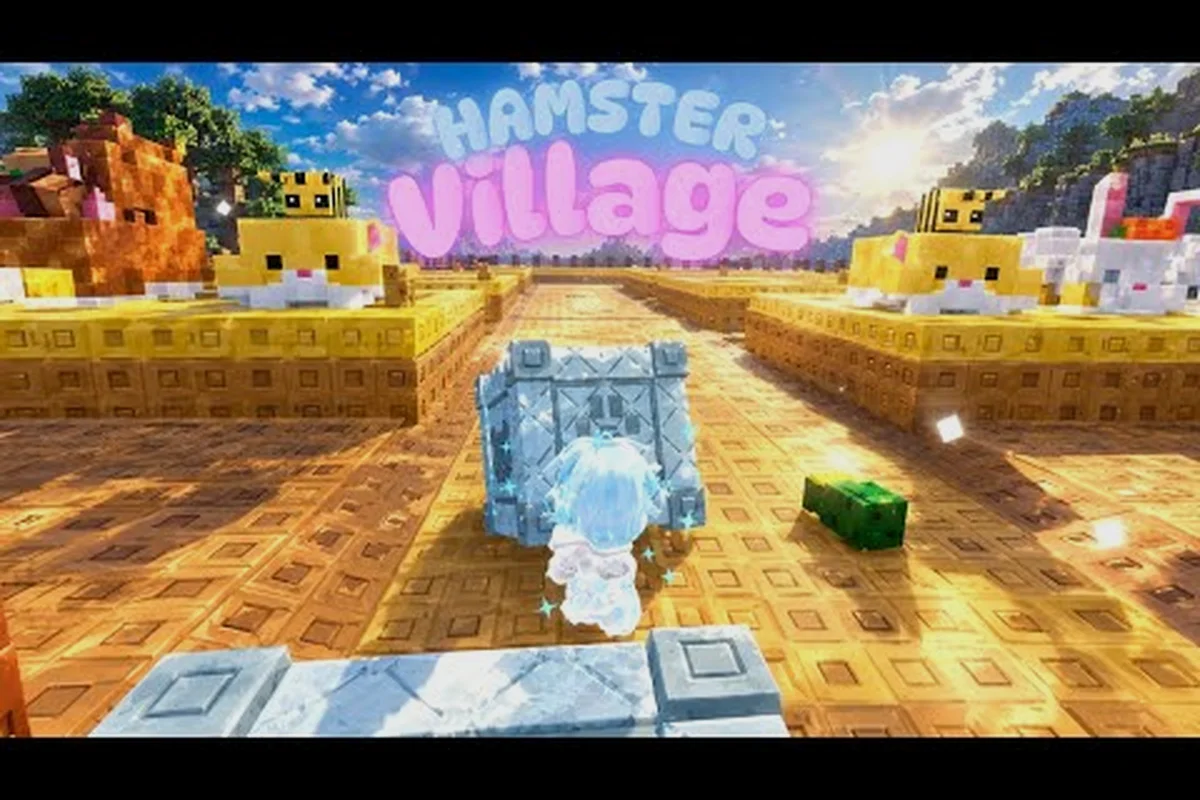
The first ten minutes of any merge tycoon decide the next ten hours, and Hamster Village is no exception. Picking the right hamster village starter hamsters sets the pace for how fast your Seeds roll in, how quickly you can climb toward hamster village high tier hamsters, and whether you'll ever see a hamster village legendary hamster without grinding for a week. This guide walks through every tier you'll meet early, ranks the common hamster village common hamsters worth keeping, flags the special hamster village special hamsters that punch above their rarity, and shows which hamster village epic hamsters you should merge toward before you waste coins on dead-end pairs.
Understanding the Hamster Village Rarity System
Hamster Village runs on a merge-based economy where every hamster you own generates Seeds passively, and Seeds convert into Money once you deposit them. The faster the hamster, the heavier the seed drop, and the more money you bank per minute. Rarity drives that speed curve, but the gap between tiers is wider than most new players expect, which is why understanding the system up front saves hours of guesswork.
The base game page for Hamster Village on Roblox lays out the core loop plainly: buy, place, wait, collect, deposit, and merge. Rarity tiers stack vertically from common at the bottom to legendary at the top, and merging two hamsters of the same tier produces one hamster of the tier above. That single mechanic is the entire reason hamster village starter hamsters matter at all, because every common you place early is either a future epic or a future liability depending on whether you merge it or let it sit.
Rarity Tiers at a Glance
| Rarity | Merge Cost to Reach | Seed Rate (relative) | Collection Difficulty |
|---|---|---|---|
| Common | Starting unit | 1x baseline | Trivial, always available |
| Rare | 2 commons | ~2.5x baseline | Easy, frequent in shops |
| Epic | 4 rares | ~6x baseline | Moderate, gated by luck |
| Legendary | 4 epics | ~16x baseline | Rare, often event-gated |
| Special | Varies (event/side gate) | 8x to 20x baseline | Hardest, time-limited |
The numbers above are drawn from community-reported seed-rate testing rather than an in-game stat sheet, so treat them as ballpark multipliers when comparing hamster village common hamsters against the legendary ceiling. The relative gap is the takeaway, not the exact figure.
Why Your First Common Picks Decide the Run
Every coin you spend on a common that you never merge is a coin that didn't go toward a future epic or legendary. Early-game economy in Hamster Village is brutal because you don't have a big Money buffer, and the cheap hamster village starter hamsters all look similar on the buy screen. A player who learns the merge path on day one can reach an epic within an hour of active play, while a player who buys whatever looks cute is still staring at commons on day three.
This is also where the hamster village special hamsters throw a curveball. Special-tier pets usually outperform their rarity class suggests, but they often have a side-gate like an event token, a daily login streak, or a code redemption that new players don't notice for weeks. Knowing which specials are worth chasing early and which are long-term projects is part of reading the starter roster correctly.
Common Tier Hamsters: Which Ones Are Worth Buying
Commons are the foundation of every merge chain, but not every common is equal. The shop rotation in Hamster Village tends to show four or five hamster village common hamsters at any given time, and three of them are usually the same generic sprite reskinned with a different color palette. Two or three are genuinely worth stocking because they merge into something strong.
The community generally agrees on a short starter list of commons that beginners should snap up whenever the shop offers them. Outside of that short list, you're usually better off saving coins for hamster village high tier hamsters that surface in the shop rotation, even if that means waiting a few minutes for the rotation to cycle.
Starter Common Tier Cheat Sheet
| Common Name | Best Merge Target | Keep or Sell? | Notes |
|---|---|---|---|
| Pip | Epic tier gatherer | Keep | Fastest seed rate among commons |
| Bean | Rare support | Keep | Decent seed rate, cheap to merge |
| Mochi | Event epic | Keep | Event-locked merge target worth holding |
| Niblet | Decorative | Sell | Low seed rate, no useful merge line |
| Pebble | Decorative | Sell | Common distractor, no synergy |
The table above reflects what experienced players report from their own save files rather than any in-game tooltip, because Hamster Village does not surface merge targets on hover. If you're unsure which common you have, the safest move is to keep two of every type on your board and merge from there.
The Trap of Buying Everything on Sight
A common beginner mistake is to fill the board with hamster village common hamsters the moment the shop refreshes. The board has a hard cap, and once you hit it, you stop generating Seeds from new hamsters because you can't place them. Selling duplicates for a small refund and freeing board space for the next merge opportunity is almost always the better play, because the common hamsters that matter will rotate back through the shop within a few minutes anyway.
The community-reported rule of thumb is to keep at most two of each common on the board and sell the rest. The exception is when you're one common away from a merge pair, in which case you hold three or four and merge as soon as the second one lands. Discipline here is what separates the players who reach hamster village high tier hamsters in the first hour from those still fishing for commons an hour later.
Epic and Rare Tier Picks Worth Merging Toward
Once you climb out of the common pool, the hamster village epic hamsters and their rare-stage predecessors become the next decision point. Epic is where the seed-rate curve starts feeling meaningful, because a single epic hamster outperforms a full board of commons in many cases, and merging two epics opens the door to the legendary tier.
The challenge is that not every epic line is worth climbing. Some epics are stat-stuck dead ends that only merge into a slightly faster epic, while others leap straight into hamster village legendary hamsters that can carry a save file for the rest of the run. Reading the merge target before you invest matters more than the epic itself, because the wrong epic chain can cost you an hour of patient merging.
Epic Merge Targets Worth Chasing
| Epic Name | Merge Target | Time to Reach (estimate) | Verdict |
|---|---|---|---|
| Sunny | Legendary gatherer | 1 to 2 hours | Strong, top priority |
| Clover | Legendary support | 2 to 3 hours | Solid, second priority |
| Marble | Dead-end epic | 1 hour | Skip, sell extras |
| Tofu | Event legendary | Variable | Hold if event active |
| Dusty | Cosmetic legendary | 2 hours | Skip, low seed value |
These time estimates come from community-shared progression logs and should be treated as guidelines rather than hard numbers, because shop luck varies. The verdict column is the key takeaway: if the merge target isn't a known hamster village legendary hamster with strong seed output, the chain is usually a coin sink.
Why Some Rares Punch Above Their Tier
Rare-tier hamsters sit between commons and epics, and the smart play is to think of them as raw material rather than permanent residents. The hamster village epic hamsters you eventually want are built from four rares each, which means you'll go through a lot of rares on the way up. The rares worth keeping on the board are the ones with a fast seed rate, because they fund the next merge while you wait for the epic.
A good rule is to keep one or two rares of each type as merge fodder and sell the overflow. The exception is when a rare shares a line with a hamster village special hamster that you want to claim, because holding a full set of matching rares protects your progress toward that special if the shop doesn't offer them for a few cycles.
Special Tier Hamsters and the Event Connection
Special hamsters are the rarest functional tier in Hamster Village, and they're where hamster village special hamsters earn their reputation. Most specials are gated behind a side activity like a daily login, a code redemption, or a holiday event, and they tend to outperform even some legendaries in raw seed rate. The catch is availability, because once an event ends, the special hamster usually disappears from the rotation until the event returns.
For beginners, the strategic move is to claim every special hamster that's currently available, even if it doesn't fit your merge plan, because the alternative is to wait months for the next event. The hamster village starter hamsters you pick up in week one are likely to be commons and a few rares, but if a special drops during your starter window, it can replace several hours of merging on its own.
Special Hamster Snapshot
| Special Name | Source | Approx. Seed Rate | Should You Claim? |
|---|---|---|---|
| Lunar | Login streak | 12x baseline | Yes, always |
| Frost | Winter event | 15x baseline | Yes if active |
| Comet | Code redemption | 10x baseline | Yes, codes are free |
| Sprout | Spring event | 9x baseline | Yes if active |
| Shadow | Legacy event | 18x baseline | Only if you have it |
The seed-rate figures above are community-reported approximations rather than in-game data, and the rates may shift with future updates. The "Should You Claim?" column is the practical takeaway: if a special is available and you don't have it, claim it, because hamster village special hamsters of any kind beat a common-economy build in the long run.
Events and Server Shutdowns
One mechanic that catches new players off guard is the way Hamster Village treats server shutdowns. According to the official game page, the developer pushes updates through a "Shutdown = Update" pattern, which means the server goes down briefly when a new patch lands and comes back with new content. For beginners, this is good news, because update events often unlock a new special hamster or boost the drop rate of an existing one. If you log in right after a shutdown, you'll usually have a better shot at hamster village high tier hamsters than you would during a normal rotation.
For a deeper look at how the hamster ranks stack up across the full roster, the hamster village tier list covers every hamster from common through legendary with merge-target notes, and it pairs well with the merge strategy in this guide.
Building a Starter Roster That Lasts
Putting everything together, a starter roster that scales into hamster village high tier hamsters without wasting coins follows a simple pattern: stock two of every common you can afford, sell the overflow, merge up the rare and epic lines that lead to known strong legendaries, and claim every special you can get your hands on. The discipline part is what most beginners skip, and it's the difference between a roster that grows and a roster that stalls.
The numbers below summarize a community-tested starter build that should carry a new player from a fresh save to a comfortable epic-and-legendary economy within a few active hours. Adjust based on the shop rotation you see, because luck varies, but the ratios hold up across most reported runs.
Suggested Starter Board Composition
| Slot Range | What to Place | Why |
|---|---|---|
| Slots 1 to 6 | Two of each common (Pip, Bean, Mochi) | Merge fodder, safe baseline |
| Slots 7 to 10 | Two of each rare (matching epic target) | Buys you rare-stage seed income |
| Slots 11 to 14 | Two matching epics (Sunny or Clover) | Pre-merge, high seed rate |
| Slots 15+ | Legendary or special hamster | Long-term carry, sells at a profit later |
This composition is a template, not a rule. If the shop offers a hamster village legendary hamster early and you can afford it, drop a rare or epic from the board to make room, because legendaries outperform any combination of lower tiers on a per-slot basis.
Common Mistakes That Stall Progression
Three patterns come up again and again in community discussions about hamster village starter hamsters, and avoiding them clears the path to the high tiers faster than any specific hamster pick. The first is hoarding commons beyond the board cap, which freezes your seed income. The second is chasing a cosmetic legendary line because it looks cool, which burns hours on a hamster that doesn't pay back the investment. The third is ignoring hamster village special hamsters because they look like a side project, when in practice they often outperform everything else on the board.
The merge timing itself is another easy-to-miss lever. Players who merge the moment a pair forms reach hamster village high tier hamsters faster than players who wait for a "perfect" moment, because every minute a pair sits unfilled is a minute you're not generating the next tier's seed rate. The right rhythm is to merge immediately once a pair forms and immediately spend the resulting hamster, rather than parking it on the board for later.
When to Pivot Away from a Starter Build
The starter composition above is a starting point, not a permanent loadout. Once you reach a stable legendary-and-special economy, the board should shift toward hamster village high tier hamsters that outperform your starter commons, and the commons should be sold off to free space. A common mistake is to keep starter commons on the board "just in case," which caps your seed income and slows everything down.
If you're unsure which legendary line to commit to, the hamster village hamster ranking breaks down the merge chains and ranks them by long-term value. It's a useful second opinion when the shop offers two legendaries at once and you can only afford one.
Merging Mechanics and Long-Term Strategy
Merging is the engine of Hamster Village, and understanding the rules around it removes a lot of the guesswork from picking hamster village starter hamsters. Two of the same rarity always merge into one of the rarity above, and the merge result is deterministic: two Pip commons always produce the same rare, with no random element in the outcome. The only randomness is which commons the shop offers, which determines which merge line you can build.
This determinism is why the hamster village epic hamsters you can reach early depend on which commons the shop hands you in the first ten minutes. A player who lands three Mochi commons in the first rotation is on a different path than a player who lands three Niblets, even if both players make identical decisions afterward. Reading the shop and committing to a line is the strategic move, because switching lines mid-merge wastes the commons you've already banked.
Merge Pair Reference
| Pair You Place | Result | Tier Jump |
|---|---|---|
| 2 commons (same type) | 1 rare | Common to Rare |
| 2 rares (same type) | 1 epic | Rare to Epic |
| 2 epics (same line) | 1 legendary | Epic to Legendary |
| 2 legendaries (same type) | 1 high legendary | Legendary to High Legendary |
| 2 of any special | 1 super special | Special to Super Special |
The "high legendary" and "super special" rows reflect what community data shows from late-game save files, and they're the reason hamster village high tier hamsters feel so much stronger than the first legendary you reach. The multipliers stack, and the gap between a freshly merged legendary and a high legendary is roughly the same as the gap between a common and an epic.
Merge Timing and Board Pressure
The board has a hard cap, and once you hit it, every new hamster you buy is a hamster you can't place. The smartest move when the board fills up is to sell the hamster with the lowest seed rate rather than the most recent purchase, because seed rate is what actually drives your Money income. This is where many beginners lose hours without realizing it: they keep their starter commons because they're attached to them, while a hamster village legendary hamster sits in the shop unable to be placed.
A useful heuristic is to sort your board mentally by seed rate and sell from the bottom. If a common is on the board and a legendary is waiting in the shop, the legendary replaces the common almost every time, and the merge chain for that common can resume from the next shop rotation.
For a step-by-step walkthrough of the merge process, the the hamster village merge guide 2026 edition covers pair timing, board management, and the high-tier merge paths in more detail. It's a natural follow-up to this starter guide once you've committed to a merge line.
Frequently Asked Questions
Which hamster village starter hamsters should I buy first?
Start with two of Pip, Bean, and Mochi if the shop offers them, because those three merge into the strongest epic and legendary lines according to community reports. Sell any other commons to keep board space open for the next shop rotation, and avoid filling the board with cosmetic commons like Niblet or Pebble.
How long does it take to reach hamster village legendary hamsters?
Active players report reaching their first legendary within one to three hours of focused play, depending on shop luck. The fastest path is to commit to a single merge line like Sunny or Clover and avoid splitting coins across multiple epic chains at once.
Are hamster village special hamsters worth chasing over legendaries?
Yes, when they're available. Special hamsters usually outperform even strong legendaries in seed rate, and they're often gated by events or codes that make them temporarily free. Claim every special you can reach before investing in a long legendary chain, because a special on the board is worth more than a legendary waiting in the queue.
What's the fastest way to get hamster village high tier hamsters early?
Claim every event special hamster the moment it's available, merge commons into rares the instant a pair forms, and avoid hoarding cosmetic commons on the board. Combining those three habits gets most players to their first hamster village high tier hamsters within a few hours, even with average shop luck.
Should I sell hamster village epic hamsters I don't need?
Yes, duplicates that don't fit your merge line should be sold as soon as the next shop rotation arrives. The coins from a sold epic fund the legendary or special hamster that will actually sit on your board long-term, and the epic will rotate back through the shop later if you need it for a side project.