
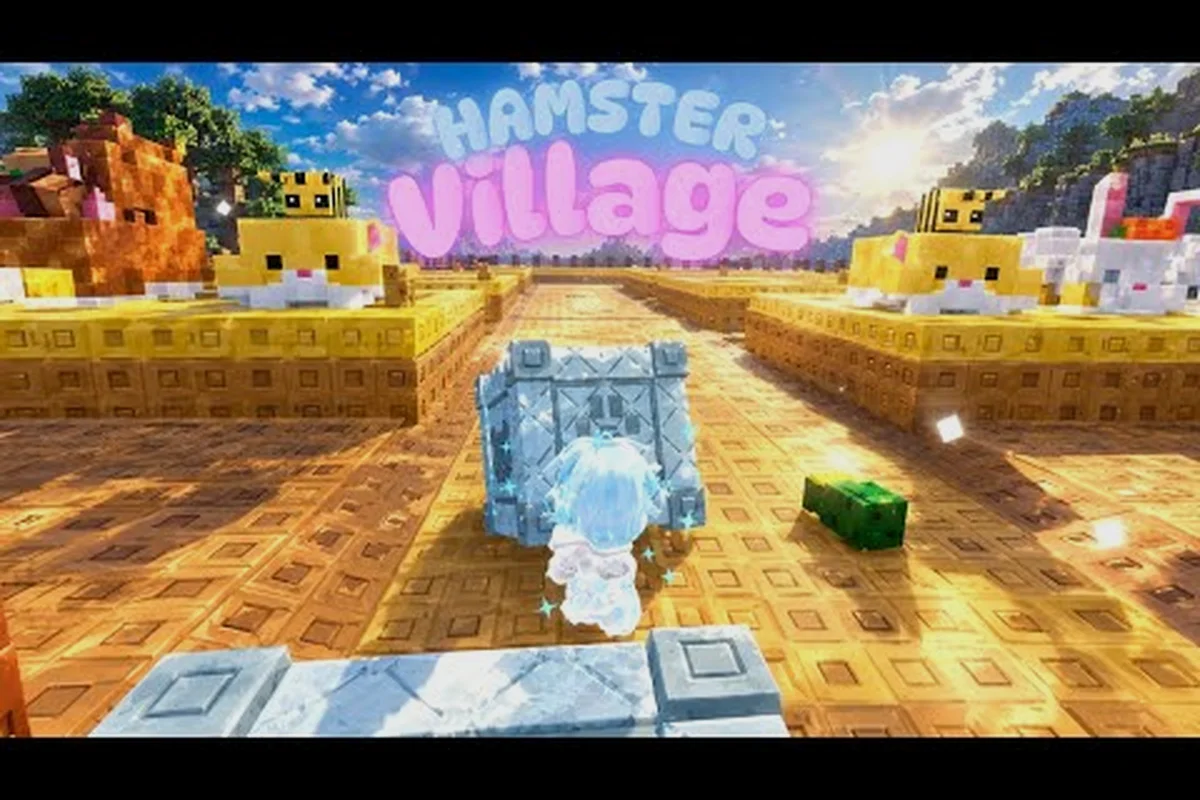
Hamster Village limited hamsters are the seasonal event pets and rare-tier drops that don't sit in the standard buy pool, and chasing them changes how the entire merge economy feels. According to the official Hamster Village game page, the core loop rewards players who push toward higher-tier merges, and the limited roster is where the ceiling on that loop really shows up. This guide breaks down every angle worth knowing in 2026, from how the limited event rotation works to which drops justify their cost.
What "Limited" Actually Means in the Hamster Village Roster
The limited label in Hamster Village covers two distinct groups that the community tends to lump together. First, there are the event hamsters tied to seasonal windows, holiday updates, or short-window celebrations. Second, there are the rare-tier and special-tier permanent residents that simply cost more, sit at a higher merge tier, or unlock through a hidden condition. Both groups get tagged "limited" in player chat, but they behave very differently inside the merge economy.
The core merge loop itself, documented on the official game page, runs on buy → drop seeds → collect → deposit → earn money → re-invest. Limited hamsters plug into that loop as either seed-output power spikes or as cosmetic flex entries that signal roster depth. Players chasing every hamster in the encyclopedia will hit both categories, while money-first players usually only care about the seed-output side of the event roster.
Why the Roster Feels Constantly Shifting
Dojo Empire runs Hamster Village on a "Shutdown = Update" cadence, which means new content drops alongside every server reset. The official page describes this pattern directly, and the community has reported that limited entries are the most common banner addition during these patches. Players who log in only during long sessions often miss a window entirely, which is why tracking the update rhythm matters as much as tracking the roster itself.
Limited vs. Standard at a Glance
| Category | How You Get It | Availability | Typical Cost | Best Use |
|---|---|---|---|---|
| Event hamster | Seasonal drop or holiday update | Time-locked (days to weeks) | Mid-to-high money or special currency | Flex + collection completion |
| Rare-tier permanent | High-tier merge chain | Always available | High money cost or long merge ladder | Seed-output anchor |
| Special-tier permanent | Merge-unlock or hidden condition | Always available once unlocked | High cost + grind | Long-term income spike |
| Secret hamster | Off-meta unlock path | Always available once found | Varies wildly | Roster bragging rights |
This split matters because the merge economy treats each limited type differently. Event hamsters are usually a single buy with no merge chain, while rare-tier permanents still follow the standard merge ladder and reward players who climb the tiers systematically.
Hamster Village Event Hamsters and the Seasonal Rotation
Event hamsters are the most time-sensitive limited entries in the game, and they follow the patch cycle almost perfectly. According to community data aggregated across recent updates, the team tends to drop a themed event hamster alongside major patches, with a visible buy option in the shop for a limited window. These windows can run anywhere from a few days to a few weeks depending on the event, and they almost never come back once closed.
The classic example pattern looks like a holiday-themed hamster appearing in the buy pool during a seasonal event, sitting at a fixed cost that's notably higher than standard stock, and disappearing after the event ends. Because the buy option doesn't return, the hamster becomes a permanent flex entry for anyone who grabbed it. Players building toward the full hamster roster usually need at least a few of these event entries to hit 100% collection.
How Event Drops Usually Land
| Event Window | Typical Drop | Approx. Stay Length | Buy Cost Feel |
|---|---|---|---|
| Anniversary | Anniversary-themed hamster | 2-4 weeks | High, but stable |
| Holiday update | Holiday cosmetic hamster | 1-3 weeks | Mid-to-high |
| Mid-season patch | Themed rare drop | Few days to 1 week | Variable |
| Surprise drop | One-off cosmetic entry | Very short, often unannounced | Often premium |
Players who want to catch every event hamster should watch for the patch announcement pattern. Community reports suggest the team tends to telegraph event drops via the official social channels a day or two before the patch goes live, which gives grinders a small window to save up money before the limited buy option appears.
Why Event Hamsters Rarely Move the Meta
Here's the honest take: most event hamsters are designed as collectible flex entries, not as seed-output monsters. The base hamster pool already covers the top of the seed-per-minute ladder through the standard merge chains, and a single event hamster rarely outperforms a well-built high-tier permanent. That makes event hamsters a "nice to have" rather than a "must chase" for players optimizing the income curve.
The exception is when an event hamster lands with an unusually strong seed drop rate or a hidden passive that boosts nearby hamsters. Community testing has flagged a few of these over the past year, and they tend to shift the short-term meta for the duration of the event window. After the window closes, the meta usually snaps back to the standard ladder.
Hamster Village Newest Hamsters and the 2026 Update Cadence
The newest hamster additions land through the same Shutdown = Update cycle, but not every addition is an event drop. According to the official game page, updates tend to add new tiers, new merge endpoints, and occasionally new permanent residents to the standard pool. The newest hamsters therefore split into two groups: fresh permanent residents that join the standard merge ladder, and time-limited event entries that only stick around for the patch.
The 2026 update cycle has leaned toward expanding the high end of the merge ladder while occasionally introducing cosmetic variants of existing hamsters. Players tracking the tier list 2026 shifts have noted that each major patch tends to add at least one anchor entry at the top of the ladder, which shifts the long-term merge priority for grinders who push for endgame income.
Spotting a New Permanent vs. a New Event Entry
| Signal | Likely New Permanent | Likely Event Entry |
|---|---|---|
| Appears in standard buy pool after patch | Yes | No |
| Joins an existing merge chain | Yes | Rarely |
| Disappears after a few weeks | No | Yes |
| Adds a new tier to the merge ladder | Yes | No |
| Shows up only during a themed window | No | Yes |
The merge chain clue is the cleanest tell. If a new hamster slots into an existing tier chain and lets you climb one rung higher, it's almost always a permanent addition. If it shows up solo in the shop with no merge path, it's almost certainly an event entry with a limited stay.
What "Newest" Means for Your Progression
Chasing the newest hamsters is a different game from chasing the strongest. The newest permanent additions often have inflated prices during the first patch because the community hasn't fully priced them in yet, while the strongest long-term anchors tend to be entries that have been on the ladder long enough for the merge math to settle. Players optimizing for the income curve usually wait a patch or two before committing to a brand-new permanent anchor.
Hamster Village Hamster Prices and Cost Tiers
Hamster prices in the village scale with tier, and the cost jump between rungs gets steeper the higher you climb. Standard-tier hamsters sit in a budget range that any new player can reach within the first hour, while rare and special tier entries often require either a deep money bank or a long merge grind. The most expensive hamster in the standard pool typically costs more than most players will spend on every other hamster combined.
The price ladder roughly tracks the merge chain. A single low-tier hamster costs a few units of money, while the next tier up often costs an order of magnitude more. By the time you reach the top of the standard ladder, the buy price for a single high-tier hamster can run into the millions depending on the current economy. Event hamsters usually slot in at the high end of this range, with a fixed cost that doesn't move with the merge chain.
Rough Cost Reference by Tier
| Tier Bracket | Approx. Buy Range | Merge Effort | Income Impact |
|---|---|---|---|
| Common starter | Low units | None | Seed trickle |
| Early mid | Mid units | 2-3 merges | Steady seed flow |
| Late mid | High units | 4-6 merges | Strong seed output |
| Rare permanent | Very high units | Long merge chain | Top-tier seed anchor |
| Special tier | Highest standard | Hidden unlock + grind | Endgame income ceiling |
| Event limited | Fixed premium | Single buy | Flex + minor seed boost |
The exact numbers shift with each patch, but the shape of the ladder stays consistent. Players who push for the endgame merge anchor usually need to clear the rare permanent bracket first, and that bracket is where the hamster costs start to bite.
Where the Real Cost Pain Sits
The cost pain point isn't the early tiers, where the prices scale gently, but the jump from late mid to rare. That single rung is where a lot of casual players stall, because the money requirement jumps faster than the income curve can keep up. The fix is usually to push the merge ladder more aggressively before buying into the rare bracket, because every extra merge you complete before buying a rare anchor saves you a meaningful chunk of money.
Chasing the Hamster Village Most Expensive Hamster
The most expensive hamster in any given patch usually sits at the top of the standard merge ladder, with a buy price that runs well past the casual player's bankroll. Event hamsters can occasionally match or exceed that price for a limited window, especially when a new holiday drop lands with a premium cost. Either way, the most expensive hamster in the roster is less about whether you can afford it and more about whether the return on the buy justifies the spend.
For money-optimized players, the answer is usually "not yet." The income curve from a top-tier permanent hamster is real, but the buy price means the payback period often runs longer than the average session. Players who already have a stable income engine underneath the buy can justify the cost, because the new anchor just multiplies an existing flow. Players who are buying the most expensive hamster as their first high-tier entry usually end up with a slow payback that stalls their next merge.
When the Most Expensive Hamster Is Worth the Buy
| Player State | Buy Decision | Why |
|---|---|---|
| Stable mid-game income engine | Buy | Multiplies existing flow |
| Pre-merge grind bankroll | Wait | Better ladder returns available |
| Event window with limited stay | Buy if flex matters | Won't return after window |
| New patch, freshly added top tier | Wait a patch | Price usually settles |
| Collection completion chase | Buy | Required for 100% roster |
The flex-and-completion case is the one most guides gloss over. If the most expensive hamster is also the only thing standing between you and a complete encyclopedia entry, the buy is essentially forced regardless of the income math. The collection value carries weight even when the seed-output math doesn't.
Smart Strategies for Limited Hamster Chasing
The strategy layer around limited hamsters is where most players leave money on the table. The default approach is to either ignore limited entries entirely or chase every drop that appears, and both approaches leave returns on the table. A more efficient pattern is to set explicit rules for which limited entries are worth pursuing and which to skip, based on the current economy and the player's progression state.
The first rule that pays off immediately is the "income engine first" rule. Before chasing any limited hamster, make sure the standard merge ladder is already producing a stable income. A limited hamster multiplied by zero income is still zero. The second rule is the "patch patience" rule, where you wait at least one patch after a new top-tier anchor drops before committing, because the price usually settles and the community-tested verdict on the new entry lands within that window.
A Practical Decision Framework
-
Stable income + limited window + flex value = buy. This is the cleanest case, where you have the bankroll, the window is closing, and the flex value is real.
-
Stable income + permanent new tier = wait one patch. The price will likely settle, and you can pick up the anchor for less.
-
Unstable income + any limited = skip. Build the engine first, then circle back.
-
Collection chase + missing entry = buy at any state. Required buys override income math.
-
Surprise drop with no announcement = wait for community data. Mystery drops often look stronger than they are.
These rules aren't perfect, but they cover the most common cases without forcing the player into a spreadsheet for every patch. The key is to set the rules in advance so a tempting limited buy doesn't pull money out of the next merge rung.
Limited Hamster Pitfalls Worth Knowing
The biggest pitfall is the "limited = must buy" reflex. Limited entries carry a psychological premium that pushes players to buy before they have the income engine to support the cost. Another common pitfall is buying a brand-new permanent anchor on patch day, when the price is inflated and the long-term value isn't yet clear. A third pitfall is skipping event hamsters that look cosmetic but actually carry a hidden passive, which the community eventually flags in the patch notes.
Players who avoid these three pitfalls tend to build a stronger roster over time than players who chase every drop. The roster math favors patience, and the limited entries that genuinely matter usually reveal themselves within a patch or two of their release.
Frequently Asked Questions
Are Hamster Village limited hamsters worth chasing for money-focused players?
Most limited hamsters are flex entries rather than income anchors, so money-focused players usually get more return from climbing the standard merge ladder. The exception is when a limited drop carries a hidden passive that boosts seed output, which the community flags after testing. Outside those rare cases, the income curve is better served by investing in rare permanent anchors.
How do I know when a new event hamster is dropping?
The official team tends to telegraph event drops through the social channels a day or two before a patch goes live, and the Shutdown = Update cycle means a patch always carries a chance of a new entry. Players who want a clean signal should watch the official channels rather than relying on in-game surprise drops, because the social posts usually name the event theme before the patch lands.
What is the Hamster Village most expensive hamster right now?
The most expensive entry shifts with each patch, but the top rung of the standard merge ladder and the latest event drop are the two usual candidates. Community data from recent updates suggests event drops often sit at the very top of the price range for the duration of their window, while the top permanent anchor settles into a slightly lower but still premium price.
Do Hamster Village hamster costs change after a patch?
Standard buy prices usually stay stable between patches, but new permanent anchors occasionally launch at an inflated price that settles within a patch or two. Event entries hold their fixed price for the duration of the window and then disappear from the shop entirely. The community has reported that surprise drops tend to skip the inflated price phase and go straight to a settled premium.
Can I still get a Hamster Village event hamster after the window closes?
No, event hamsters do not return after their window closes, which is the defining feature of the limited label. Players who miss an event window have to wait for a re-release, and the team has not committed to a re-release schedule for past event entries. The encyclopedia will show the missing entry as locked, and the only reliable way to fill the gap is to catch the next window.